Earpads, Cables and the Parts That Wear Out First
A well-made pair of headphones can last a decade, but not without maintenance. Three components wear on a predictable schedule, and replacing them is far cheaper than replacing the headphones.
Earpads: the first thing to go
Protein leather pads typically start to crack and flake somewhere between eighteen months and three years, depending on how much they are worn and how warm the environment is. Skin oils and perspiration accelerate it.
Beyond appearance, degraded pads have real consequences. A flattened or split pad breaks the acoustic seal, which reduces bass response, reduces passive isolation and reduces the effectiveness of active noise cancelling.
People frequently interpret this as the headphones sounding worse with age. Usually the drivers are fine and the pads are not.
Choosing replacement pads
Most pads are a friction fit into a groove around the driver housing and come off with steady even pressure. Some clip; a few are screwed. Very few require any tools.
Material changes the sound. Protein leather seals best and gets warm; velour breathes better and typically loosens the bass slightly; hybrid pads compromise between the two.
Thickness also matters, because it changes the distance between the driver and your ear. A much thicker pad will alter the tonal balance noticeably.
Cables, and the case for detachable
Cables fail at the plug, at the cup entry and at the Y-split, in that order of frequency. On a detachable-cable model this is a consumable; on a fixed-cable model it is a soldering job.
If you are choosing between two otherwise similar pairs, a detachable cable is worth a meaningful premium purely on serviceability.
Store cables loosely coiled rather than wrapped tightly around the cups.
Headband padding and the arms
The headband pad wears in the same way as the earpads and on a similar timescale. Many are replaceable; some are glued and are a more involved job.
The arms are the component that fails catastrophically rather than gradually. Plastic yokes crack at the hinge, usually because the headphones were stretched over something or sat on. Metal-reinforced headbands are a genuine durability feature.
Do not stretch headphones over the back of a monitor or a chair. That is the single most common cause of a cracked arm.
Batteries in wireless models
A lithium pouch cell in a wireless headphone will lose meaningful capacity after two to four years of daily charging. The pair will still work, just for less time.
Replacement is possible on some models and difficult on many, because the cell is often glued and sits behind the driver assembly. Where a manufacturer offers a service, that is usually the sensible route.
Avoid leaving wireless headphones on a charger permanently, and avoid storing them flat for months. Both shorten cell life.
Cleaning without causing damage
Wipe pads with a barely damp cloth and let them dry fully before use. Do not use alcohol on protein leather, which strips the plasticiser and accelerates cracking.
For mesh over the driver, use a dry soft brush. Never push liquid through it; the driver is directly behind and is not sealed.
For in-ear tips, remove them from the nozzle, wash separately in warm soapy water and dry completely. Cleaning them in place pushes debris into the nozzle filter.
Storage
Heat is the enemy of pads, adhesives and batteries alike. A car in summer is the worst place to leave headphones, and it is where a great many pairs die.
Use the case if the pair came with one. If not, keep them somewhere they cannot be compressed, and do not hang them by one cup.
Humidity affects driver surrounds over years. A drawer is better than a bathroom shelf.
A simple maintenance schedule
Wipe the pads monthly. Inspect the cable at the plug every few months and flex-test it. Replace pads when they crack or flatten rather than waiting for them to disintegrate. Replace the cable at the first hint of intermittency.
That is perhaps ten minutes a year and it is the difference between a pair that lasts three years and one that lasts ten.
It also keeps the sound as it was when you bought them, which is the part people notice most.
Where to go next
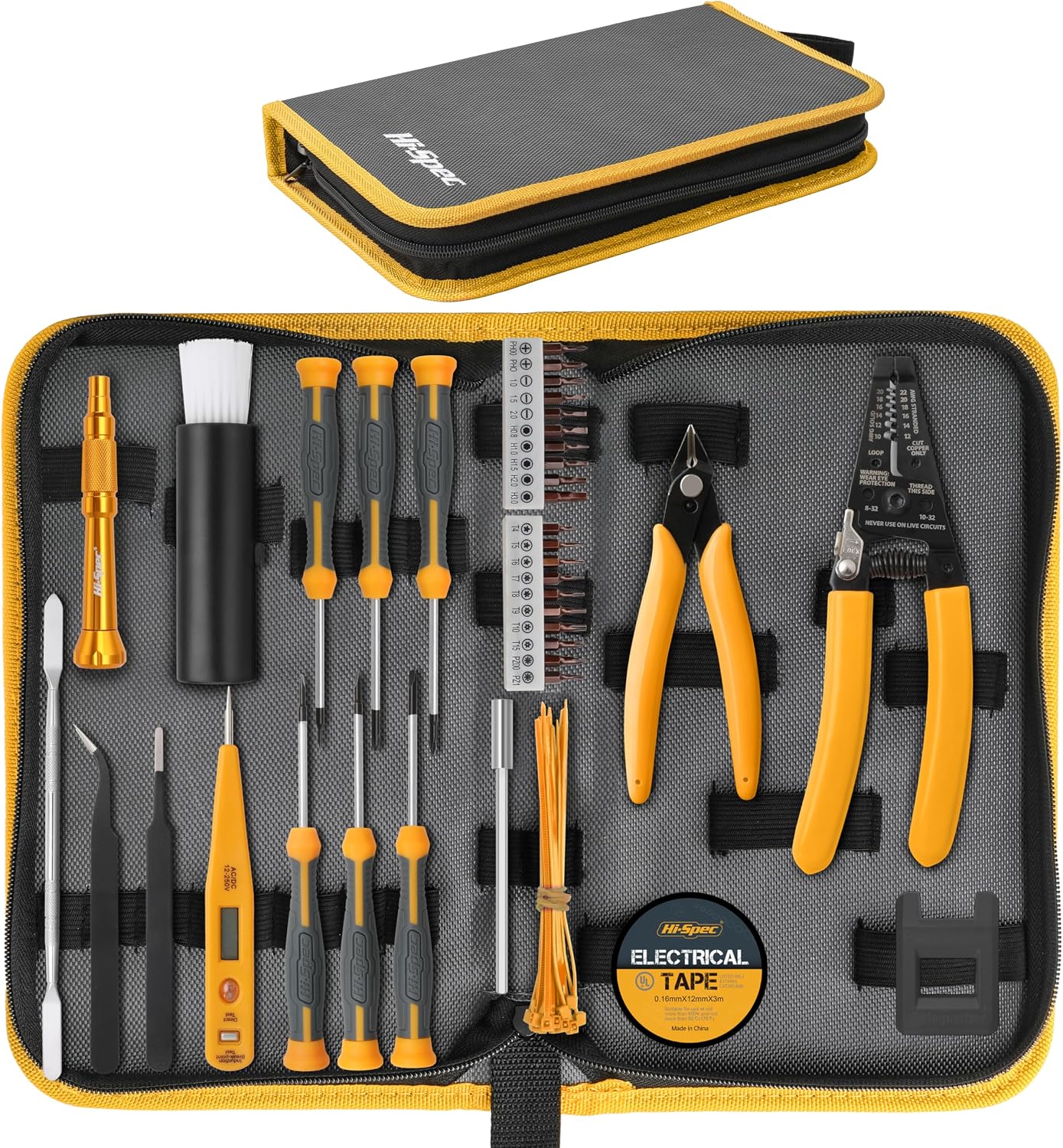
Repair consumables and opening tools are in Repair Tools & Supplies. Headphones are in Headphones & Earbuds.
Shop Headphones & Earbuds
Related articles